
AI Agent Development.
Custom AI agents that take on support, research and follow-up work — with guardrails, logging and a person in the loop.
Book a call
Service details
- Service:
- AI Agent Development
- Focus:
- Support, Sales, Research & Internal Ops
- Industries:
- SaaS / E-commerce / Services
- Role:
- Scoping, Build, Evaluation & Monitoring
About the service
Agents that do real work inside your tools, and know when to hand it to a person.
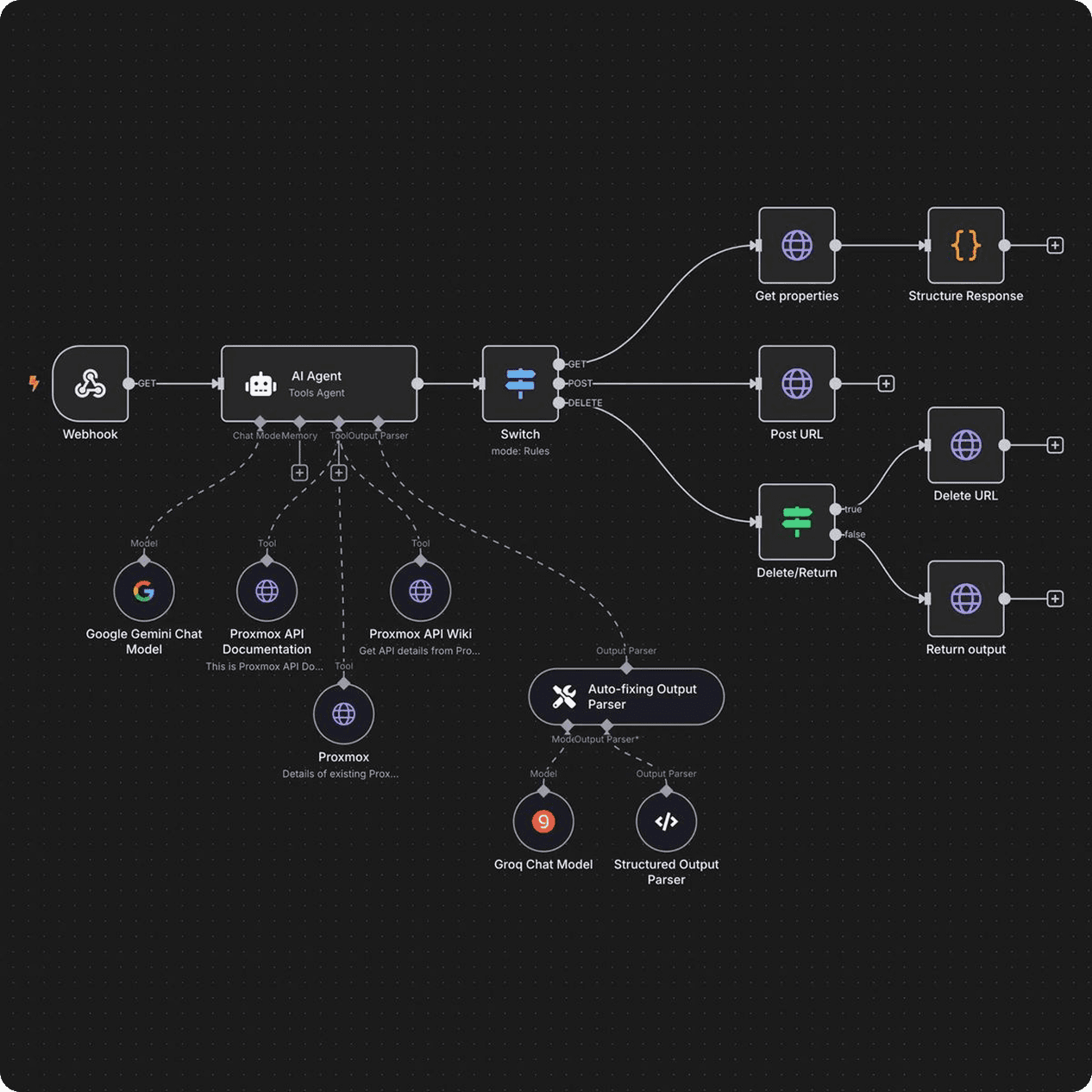
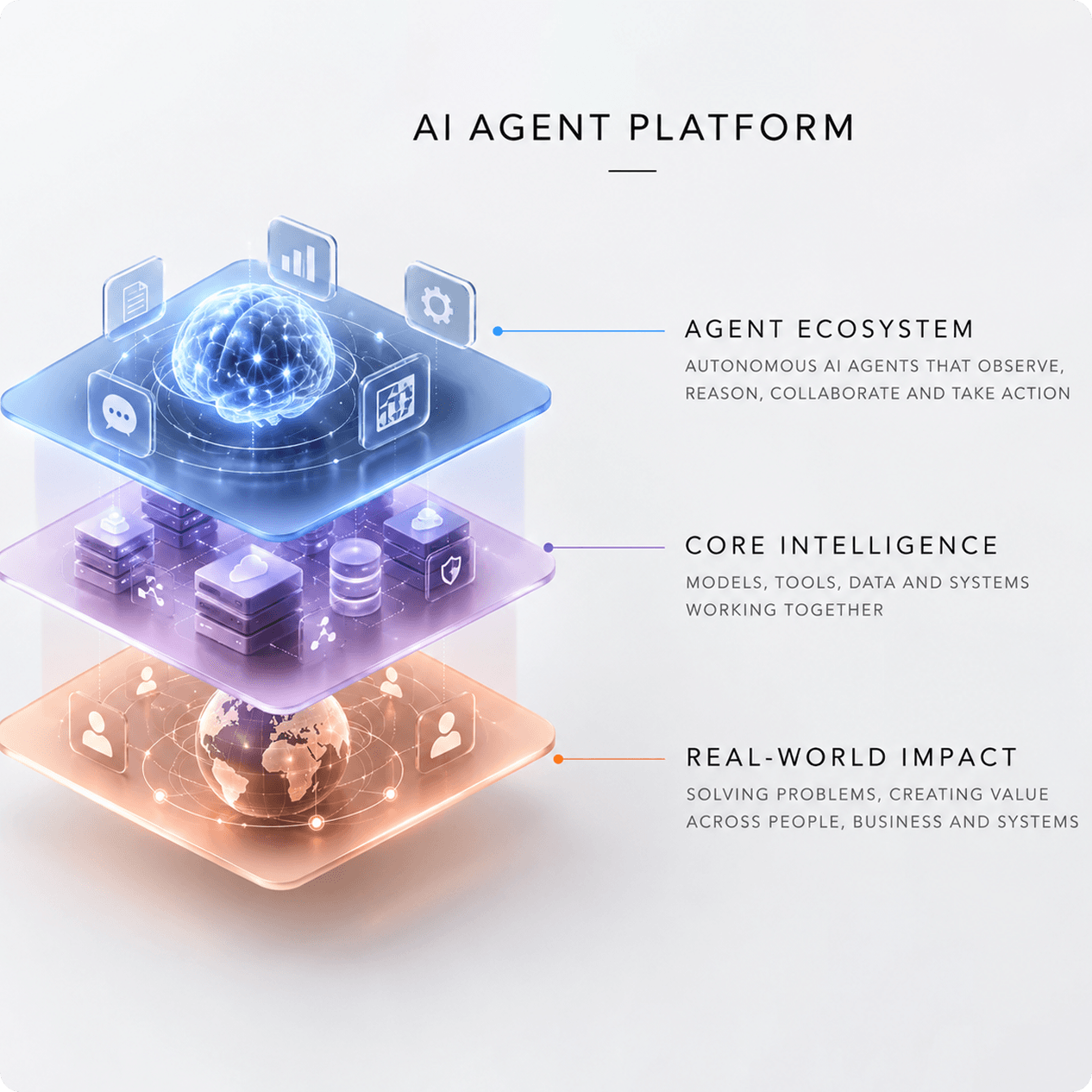
Most of what gets called an AI agent is a chatbot with a longer prompt. The agents we build are connected to the systems where the work actually happens — your helpdesk, CRM, inbox, docs and database — so they can look things up, take a defined action, and record what they did.
Every agent has a narrow job, explicit permissions and a clear point where it stops and asks. That is what makes it trustworthy enough to leave running: it resolves the routine cases on its own and routes the unusual ones to the right person with the context already gathered.
Our approach
How we build AI agents you can trust with real work
We start by picking one job with clear volume and a clear definition of done — first-line support replies, lead research, inbox triage — and collect real examples of it. Those examples become the test set the agent is measured against before it ever touches a live customer.
The agent is then built with the fewest tools it needs, the narrowest permissions that work, and a human approval step on anything irreversible. It launches in review mode first, and its autonomy is widened only where the logs show it is getting the answers right.

The outcome
Routine work resolved in minutes, with people kept for the cases that need them.
Customers and colleagues get an answer as soon as they ask, not when someone is free. Routine requests are resolved end to end, and anything unusual reaches the right person already summarised, with the relevant records attached.
Every run is logged — what the agent read, what it decided, which tools it used and what it cost — so you can audit it, improve it and extend it to the next job with evidence rather than guesswork.
What's included
What a ai agents engagement covers
- Agent use-case scoping and ROI mapping
- Customer support and ticket triage agents
- Sales research and follow-up agents
- Internal knowledge assistants over your docs
- Tool, CRM and API integrations
- Evaluation, guardrails and run logging
FAQ
AI Agent Development questions, answered
Still unsure about something? Ask us directly, we answer every message ourselves.
What is the difference between an AI agent and a chatbot?
A chatbot answers questions in a conversation. An AI agent completes tasks: it reads from and writes to your systems, follows a multi-step process, and takes actions like updating a CRM record, issuing a refund within set limits or escalating a ticket. The value comes from those connections, not from the chat window.
What can AI agents do for a business?
The strongest use cases are high-volume, rule-shaped work that still needs some judgement: first-line customer support, ticket triage, lead research and qualification, inbox and meeting follow-up, internal knowledge questions, and document review. Tasks with a clear definition of done are the best place to start.
How do you stop an AI agent from making mistakes?
By limiting what it can do and checking what it does. Agents get narrow permissions, are tested against real examples before launch, need human approval for anything irreversible or customer-facing, and log every run. Autonomy expands only where the logs show consistent accuracy.
Which AI models do you build agents with?
We choose per task — Claude, GPT and open-source models each have strengths — based on accuracy on your test cases, cost per run, and the data-retention terms your policy requires. Agents are built so the model can be swapped later without rebuilding everything around it.
How long does it take to build an AI agent?
A focused agent for one job typically reaches a supervised pilot in two to four weeks, including integrations and evaluation. It then runs in review mode while its accuracy is measured, before any step is allowed to run without a person checking it.